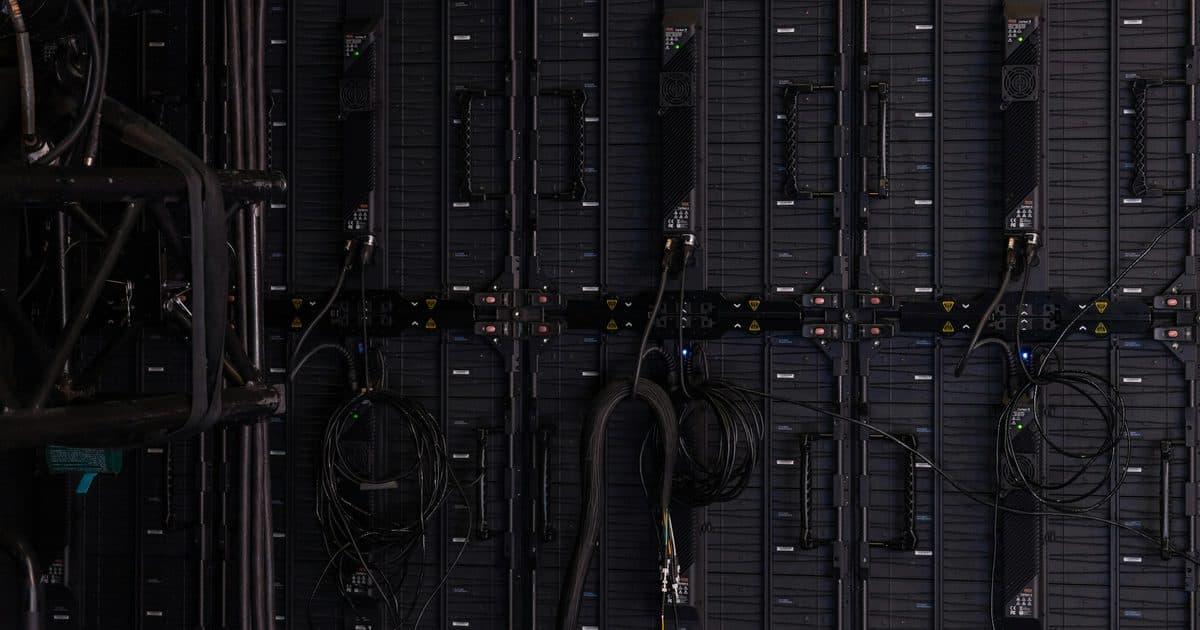

A data center decommission is a sequence of decisions, not one removal day. The project has to protect data, preserve useful equipment, coordinate facilities work, and leave behind records that explain what happened to every asset. A checklist keeps resale and recovery work from becoming an afterthought.
Use the steps below as a starting point, then adapt them to your security policy, lease terms, facility requirements, and project schedule.
Before the equipment is powered down
Define the project boundary
Identify the rooms, racks, cages, equipment families, and accessories included in the project. Confirm what remains in place and whether any equipment is leased, under support, reserved for spares, or subject to a vendor return.
Freeze and export the inventory
Export the asset list before equipment is moved. Include manufacturer, model, serial or service tag, rack position, owner, and disposition status. Preserve the original export so later receiving or reconciliation work has a baseline.
Identify data-bearing media
Mark servers, storage systems, backup appliances, removable media, and any other equipment that may contain data. Decide which items require reuse, sanitization, or destruction. Document who approves each disposition path.
During shutdown and removal
Photograph and label each asset
Photograph rack position, asset tag, model label, unusual cabling, and missing parts before removal. Label equipment and keep related rails, power supplies, caddies, and accessories with the right lot.
Keep equipment grouped by project
Do not mix unrelated assets on a pallet without a record. Grouping equipment by rack, business unit, or disposition path makes later reconciliation easier and reduces the chance that a valuable configuration becomes a box of unidentified parts.
Record exceptions immediately
Note damaged chassis, missing drives, failed power supplies, unknown ownership, and equipment that cannot be removed on schedule. An exception list is more useful than trying to reconstruct the project from memory at the end.
Data sanitization and chain of custody
The data plan should cover every drive and storage device, including devices that appear empty or are no longer mounted in production. Ask the processing partner how each device is tracked, which method is used, how results are verified, and what certificate or report is returned.
The appropriate method depends on media type, sensitivity, and final disposition. Use the NIST SP 800-88 Rev. 2 publication as the official reference for developing the organization’s media sanitization program. Our data security guide for used servers covers practical questions to ask before equipment leaves the facility.
Prepare the resale inventory
Once the removal list is stable, separate equipment into useful categories:
- Complete rack or tower servers
- Blade systems and chassis
- Storage arrays, shelves, and drives
- Networking equipment and transceivers
- GPUs, accelerator systems, and expansion cards
- Rails, caddies, power supplies, and other parts
- Equipment that is damaged, incomplete, or destined for recycling
For each group, capture model, configuration, quantity, condition, location, and desired timing. A buyer can often evaluate a mixed project, so do not delay the quote while trying to create a perfect listing for every unit. The server buyback guide explains what information is most useful.
Logistics and site readiness
Confirm whether equipment will be de-racked, palletized, shipped, or picked up. Record dock hours, lift-gate needs, freight restrictions, security check-in, elevator access, stairs, and any requirement for a certificate of insurance. Have the final inventory and chain-of-custody documents ready before the carrier or pickup team arrives.
If the equipment is part of a larger project, request the resale evaluation early enough to coordinate removal and recovery timing. Our complete data center decommission guide expands on planning, sequencing, and disposition.
Closeout records
At the end of the project, reconcile the original inventory against what was reused, sold, sanitized, destroyed, recycled, returned, or still unresolved. Retain receiving records, pickup documentation, sanitization certificates, destruction records, and the final disposition report according to your retention policy.
The best decommission projects make the final audit easy: every asset has a destination, every storage device has a documented treatment, and the organization can explain how recovery value was handled.
Planning a Data Center Decommission?
Send the equipment scope and timeline early so we can help evaluate the resale portion of the project.
Get a QuoteReady to Sell Your Equipment?
Get a competitive quote in under 24 hours. Free pickup for qualifying lots.
Get a Quote