SellMyServer.com

Model-specific server buyback

Sell Used HPE ProLiant Servers

HPE ProLiant equipment can have very different recovery values across generations and configurations. Include the server model, serial information, CPU and memory, drive layout, and accessories to make the first review useful.

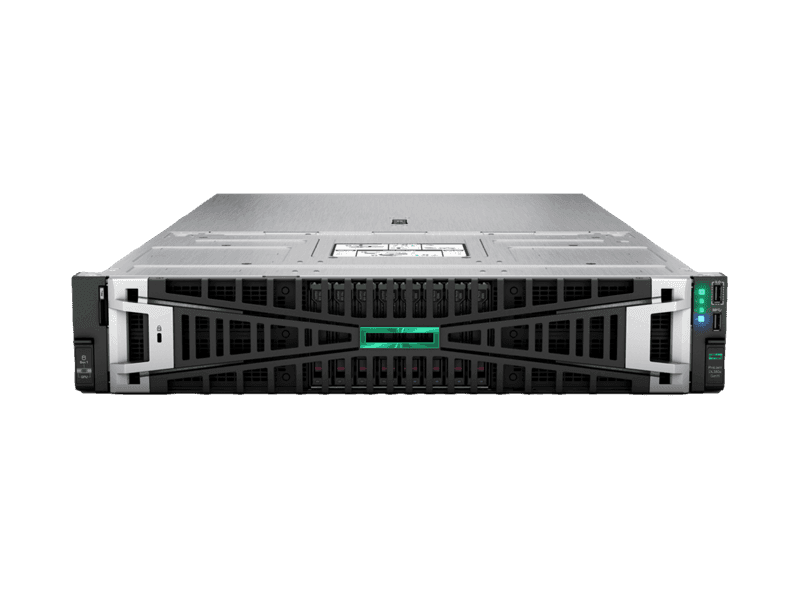
HPE ProLiant DL380a Gen11 server
Complete systems or parts
Nationwide U.S. coverage
Configuration-based evaluation
Response target within 24 hours

HPE ProLiant generations

Compare HPE ProLiant generations and model families

HPE's ProLiant generation names are useful for narrowing down a server, but the same generation can contain different rack, tower, blade, storage, and accelerator platforms. Use the guide as a first pass, then submit the exact product number and configuration.

HPE ProLiant generation, approximate years, common models, platform differences, and seller notes
Generation or eraApprox. yearsCommon examplesWhat changedWhat sellers should document
Gen8Approx. 2012–2014DL360p, DL380p, DL560p, ML350pXeon E5-2600 v1/v2, DDR3, iLO4, Smart Array storage controllersComplete caddies, Smart Array cards, rails, and usable memory can matter as much as the chassis for older Gen8 lots.
Gen9Approx. 2014–2017DL360, DL380, DL560, DL580, BL460c Gen9Xeon E5-2600 v3/v4, DDR4, iLO4, refreshed storage and expansion optionsIdentify the exact DL360 or DL380 storage backplane, CPU generation, Smart Array controller, and caddy type.
Gen10Approx. 2017–2020DL360, DL380, DL560, ML350 Gen101st/2nd Gen Xeon Scalable and AMD EPYC options, DDR4, iLO5, NVMe-capable configurationsProcessor family, memory population, iLO licensing, drive cage, rails, and power-supply configuration affect resale value.
Gen10 PlusApprox. 2020–2022DL360, DL380, DL560, ML350 Gen10 Plus3rd Gen Xeon Scalable and AMD EPYC 7003 options, DDR4, PCIe Gen4, expanded NVMe supportDo not combine Gen10 and Gen10 Plus in an inventory summary; the platform and CPU compatibility are different even when the model name looks similar.
Gen11Approx. 2022–2024DL360, DL380, DL385, ML350 Gen114th/5th Gen Xeon Scalable and AMD EPYC 9004 options, DDR5, PCIe Gen5, iLO6List DDR5 capacity, NVMe or tri-mode backplane, accelerator support, Smart Array configuration, and remaining support coverage.
Gen12Approx. 2024–presentProLiant Compute DL360, DL380, DL385, ML350 Gen12Current Xeon 6 and AMD platform options, DDR5, PCIe Gen5, newer management and security capabilitiesGen12 inventory is model-specific; include the product number, CPU platform, accelerator configuration, and warranty or support status.

Dates are approximate market-identification windows. Model introductions overlap, and resale value depends on the exact configuration, condition, completeness, and current demand.

How to identify your HPE ProLiant

  • Read the ProLiant model and generation from the front label, product number, or iLO inventory; the DL380 name alone is not enough.
  • Record the Smart Array controller, storage backplane, drive caddies, power supplies, rails, and iLO license information.
  • For BladeSystem, Apollo, and Synergy, include the enclosure or frame model and the quantity of compute modules and interconnect components.

What this means for your buyback quote

  • HPE generation, exact model, CPU family, memory type, and storage backplane should be listed together.
  • Blade and modular equipment is easiest to evaluate as a complete enclosure or project lot rather than as unexplained loose modules.
  • Include product numbers and photos of labels because HPE model names can cover multiple storage and expansion configurations.

What affects the offer

The model name is only the starting point.

A complete configuration helps us determine what can be reused, resold, or routed through another disposition path. These details are especially useful for HPE ProLiant lots.

  • ProLiant model, generation, serial information, and condition
  • CPU model and quantity, RAM capacity, and memory population
  • Drive type, capacity, caddies, Smart Array controller, and backplane
  • iLO, NICs, power supplies, rails, bezels, enclosures, and accessories

Prepare a better inventory

You do not need a perfect spreadsheet. A model list, photos, or a plain-language description is enough to start.

  • Include the product number or serial label when it is available.
  • For blades or Synergy, include the frame or enclosure model and quantity.
  • List Smart Array, drive caddy, rail, power, and expansion-card details separately.
Download the Excel asset inventory template

Common submissions

HPE ProLiant platforms we evaluate

These examples are not a limit. Send the exact equipment list for a more accurate review.

ProLiant DL360 and DL380

High-volume 1U and 2U rack platforms across multiple generations and storage layouts.

ProLiant DL560 and DL580

Four-socket systems where processor, memory, storage, and expansion details affect the offer.

ProLiant ML350 and ML110

Tower servers used in offices, branches, laboratories, and edge environments.

Apollo, BladeSystem, and Synergy

Compute modules, frames, enclosures, and dense HPE platforms submitted as complete systems or project lots.

Clear evaluation

We review model, configuration, condition, quantity, location, and current secondary-market demand.

Security options

Discuss data-bearing media and sanitization requirements before equipment moves through the handoff.

Practical logistics

After an offer is accepted, we coordinate the next shipping, freight, or pickup step for qualifying lots.

Keep researching

Useful guidance for your equipment project

Start a HPE ProLiant quote