SellMyServer.com

Model-specific server buyback

Sell Used Supermicro Server Systems

Supermicro equipment is often identified by a combination of chassis, motherboard, backplane, and installed components. Send photos of labels and the internal configuration when possible so the platform is evaluated as more than a bare chassis.

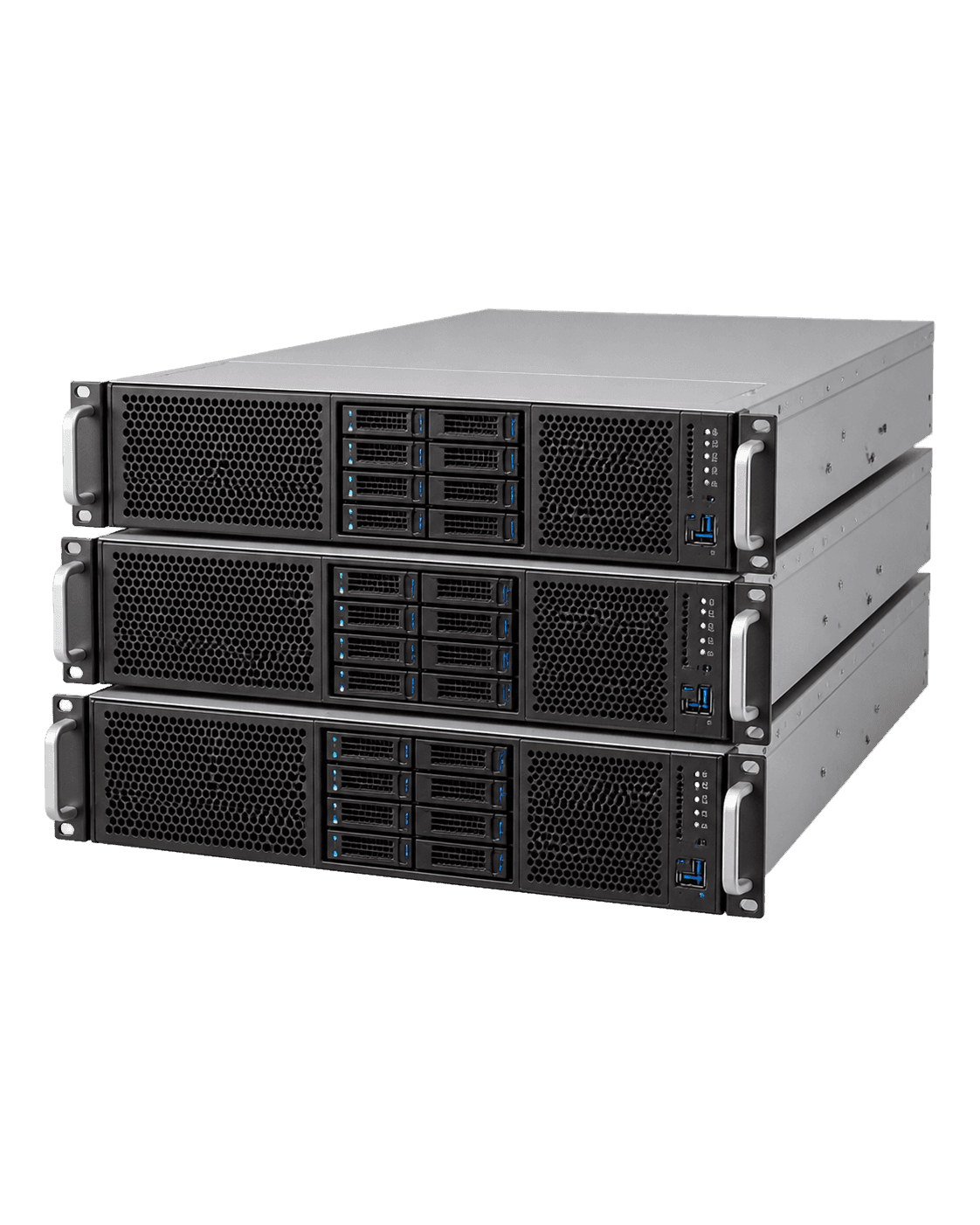
Stacked enterprise servers representing Supermicro systems
Complete systems or parts
Nationwide U.S. coverage
Configuration-based evaluation
Response target within 24 hours

Supermicro platform eras

Identify Supermicro chassis, board, and platform generations

Supermicro does not use one universal server-generation label across every product family. The X9, X10, X11, X12, and X13 platform eras are useful shorthand, but the chassis, motherboard, backplane, and processor platform must be recorded together.

Supermicro generation, approximate years, common models, platform differences, and seller notes
Generation or eraApprox. yearsCommon examplesWhat changedWhat sellers should document
X9 platform eraApprox. 2012–2014X9DR, X9S, early SuperServer and SuperStorage systemsXeon E5-2600 v1/v2 and related platforms, DDR3, SATA/SAS storage optionsThe exact chassis, board, processor, drive backplane, and node count determine whether the system is worth evaluating as a complete unit or for parts.
X10 platform eraApprox. 2014–2017X10DR, X10SR, 1U/2U SuperServer and SuperStorage platformsXeon E5-2600 v3/v4 and related platforms, DDR4, expanded SAS, PCIe, and NVMe optionsPhotograph both the chassis and motherboard labels; a generic 2U SuperServer description leaves out the details buyers need.
X11 platform eraApprox. 2017–2020X11DP, X11SP, Twin and BigTwin systemsXeon Scalable 1st/2nd Gen, Xeon E, and related platforms, DDR4, NVMe and multi-node optionsFor Twin and BigTwin systems, list every node, node CPU and memory, shared power supplies, backplane, and included rails.
X12 platform eraApprox. 2020–2022X12DP, X12SP, SuperStorage and GPU-capable systems3rd Gen Xeon Scalable and AMD EPYC 7003 options, DDR4, PCIe Gen4, NVMe, and accelerator supportGPU, storage, riser, and power configurations can change value substantially; list the exact board and chassis combination.
X13 platform eraApprox. 2022–2024X13DP, X13DE, X13SAE, GPU and high-density platforms4th/5th Gen Xeon Scalable and AMD EPYC 9004 options, DDR5, PCIe Gen5, and current accelerator layoutsInclude GPU model, quantity, risers, power cables, cooling fans, and the motherboard revision for accelerated systems.
Newer platform familiesApprox. 2024–present, model-dependentCurrent Xeon 6, AMD EPYC, AI, storage, and multi-node platformsModel-specific DDR5, PCIe Gen5, high-speed networking, NVMe, and accelerator capabilitiesUse the chassis and board identifiers as the source of truth; Supermicro product families can overlap by CPU platform and workload.

Dates are approximate market-identification windows. Model introductions overlap, and resale value depends on the exact configuration, condition, completeness, and current demand.

How to identify your Supermicro

  • Photograph the front chassis label, rear label, motherboard model, backplane, power-supply labels, and any node identifiers.
  • Record CPU model, memory, drive backplane, HBA or RAID card, risers, NICs, GPU model, and the number of independent nodes.
  • Use the full Supermicro model or SYS-F model when available; a chassis family such as 2024 or 6029 is only part of the identification.

What this means for your buyback quote

  • Supermicro is best organized by platform era plus chassis and motherboard, not by a single brand-wide generation calendar.
  • Twin, BigTwin, storage, and GPU systems should be inventoried at the node, drive, and accelerator level.
  • Clear label photos are often more valuable than a guessed model name and help prevent under- or over-estimating the lot.

What affects the offer

The model name is only the starting point.

A complete configuration helps us determine what can be reused, resold, or routed through another disposition path. These details are especially useful for Supermicro lots.

  • Chassis and motherboard model, CPU generation, and node count
  • RAM capacity, drive backplane, caddies, and storage controller
  • GPU model and quantity, PCIe layout, risers, power, and cooling
  • Rails, NICs, power supplies, accessories, and tested working condition

Prepare a better inventory

You do not need a perfect spreadsheet. A model list, photos, or a plain-language description is enough to start.

  • Photograph the chassis and motherboard labels if the front badge is not specific.
  • List node count, GPU model, drive backplane, and power-supply details.
  • Separate complete systems from loose parts while keeping them on one inventory list.
Download the Excel asset inventory template

Common submissions

Supermicro platforms we evaluate

These examples are not a limit. Send the exact equipment list for a more accurate review.

SuperServer 1U and 2U

Rackmount systems for general-purpose, virtualization, and high-density compute.

SuperStorage

Storage-focused platforms where backplane, drive, controller, and caddy details drive value.

Twin, BigTwin, and multi-node

Shared-chassis systems with multiple independent nodes and specialized power or cooling configurations.

GPU and HPC systems

Accelerated compute hosts with dense GPU, CPU, memory, networking, and power configurations.

Clear evaluation

We review model, configuration, condition, quantity, location, and current secondary-market demand.

Security options

Discuss data-bearing media and sanitization requirements before equipment moves through the handoff.

Practical logistics

After an offer is accepted, we coordinate the next shipping, freight, or pickup step for qualifying lots.

Keep researching

Useful guidance for your equipment project

Start a Supermicro quote